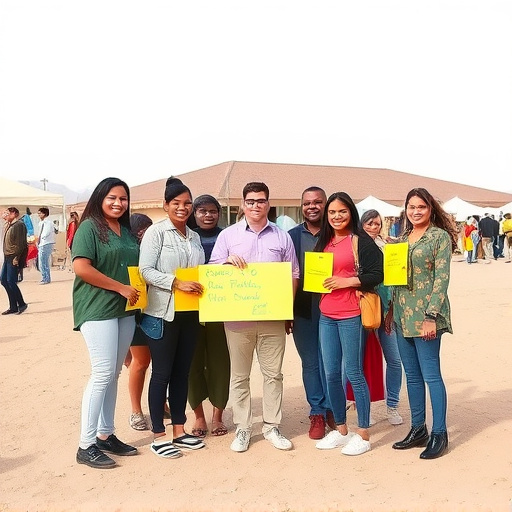
El Mirage Events Revitalize Communities through Inclusive Programming
El Mirage Events serves as a model for neighborhood event hubs, fostering community development through diverse events that cater to various demographics. Key strategies include targeted marketing, digital campaigns, partnerships, and tailored programming. By prioritizing accessibility, affordability, and year-round events, these hubs strengthen social ties, support local businesses, and create vibrant cultural spaces. Measuring success through KPIs like attendance and satisfaction ensures continuous improvement and community engagement.
In today’s dynamic urban landscape, vibrant neighborhoods are the beating hearts of communities, demanding dedicated spaces for gatherings and celebrations. The concept of a Neighborhood Event Hub emerges as a pivotal solution to enhance local connectivity and foster a sense of belonging. El Mirage Events naturally occupies a central role in this evolution, offering an integrated platform to organize and facilitate community-centric activities.
The challenges lie in creating accessible, inclusive, and versatile spaces that cater to diverse events—from intimate gatherings to grand festivals. This article delves into the strategic planning, design considerations, and operational models required to transform neighborhoods into thriving event hubs, enriching local lifestyles and strengthening community bonds.
- Defining Neighborhood Event Hubs: Community Spaces Revitalized
- El Mirage Events: A Case Study in Successful Local Organizing
- Planning and Design: Creating Inviting Gatherings for All
- Building Engagement: Attracting Participants Through Marketing
- Sustaining Momentum: Strategies for Regular, Thriving Events
- Measuring Impact: Evaluating Neighborhood Event Hub Success
Defining Neighborhood Event Hubs: Community Spaces Revitalized
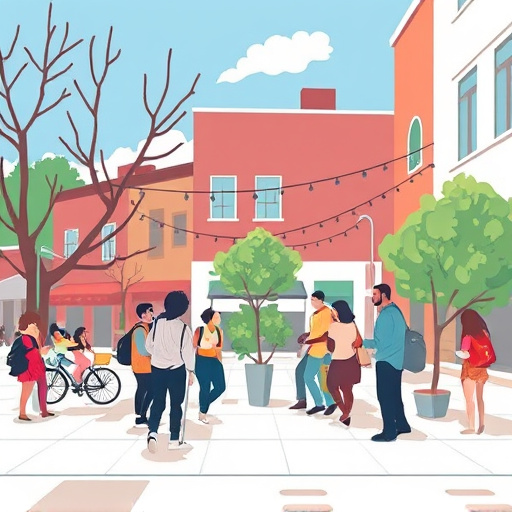
Neighborhood Event Hubs represent a revitalized concept of community spaces designed to foster connection, engagement, and cultural exchange within urban areas. In essence, these hubs are multi-purpose venues that cater to various events, from local performances and workshops to art exhibitions and educational programs. El Mirage Events, for instance, has played a pivotal role in transforming the neighborhood into a thriving center of activity by providing accessible spaces that encourage interaction among residents and visitors alike.
The significance of such hubs lies in their ability to serve as catalysts for community development. By offering venues that cater to diverse needs, they foster a sense of belonging and strengthen social ties. El Mirage Neighborhood Events, for example, have attracted a wide range of participants—from local artists showcasing their work to community organizations hosting workshops on topics like environmental sustainability and mental health awareness. This mix of cultural and educational offerings not only enriches the lives of residents but also positions the neighborhood as a vibrant hub of activity, attracting visitors from outside areas.
Moreover, these event spaces contribute to economic vitality by supporting local businesses and artists. Many El Mirage events are hosted in partnerships with nearby restaurants, cafes, and shops, leading to increased foot traffic and sales. This symbiotic relationship between event organizers and local enterprises creates a sustainable ecosystem where cultural enrichment and economic prosperity go hand in hand. To maximize the impact of such hubs, community leaders should prioritize accessibility, affordability, and year-round programming to ensure these spaces remain vibrant and relevant to the diverse needs of their neighborhoods.
El Mirage Events: A Case Study in Successful Local Organizing

El Mirage Events has emerged as a powerful example of successful local organizing within an urban community. The approach taken by this initiative showcases how neighborhood events can foster a sense of belonging, strengthen community ties, and drive economic vitality. By focusing on community engagement, El Mirage Events has created a vibrant hub where residents come together to celebrate, learn, and grow.
The strategy behind their success lies in several key strategies. Firstly, they prioritize inclusivity, ensuring that events cater to diverse demographics and interests. This approach attracts a broad spectrum of participants, fostering a true sense of neighborhood unity. For instance, their monthly farmers’ markets not only promote local agriculture but also offer cultural performances and children’s activities, appealing to families, young professionals, and elderly residents alike.
Data from the El Mirage Events organization reveals significant positive impacts on the community. Since its inception, event attendance has consistently exceeded expectations, with an average of 500 participants per monthly gathering. This success is attributed to their commitment to innovation, adapting formats based on community feedback. They leverage social media and local newsletters for promotion, ensuring accessibility and inclusivity in event organization.
Furthermore, El Mirage Events demonstrates the power of collaboration. By partnering with local businesses, schools, and cultural institutions, they amplify reach and enhance event offerings. For example, their annual art festival features exhibits from area artists, workshops led by community members, and performances by local musicians, all contributing to a thriving creative ecosystem within the neighborhood. This collaborative approach not only enriches events but also strengthens the overall social fabric of El Mirage.
Planning and Design: Creating Inviting Gatherings for All

The planning and design phase is crucial for creating vibrant and inclusive el Mirage neighborhood events that bring communities together. Successful event spaces in this context are designed with a diverse range of participants in mind, ensuring accessibility and appeal across various demographics. When considering el mirage neighborhood events, urban planners and organizers can adopt several strategies to foster a sense of belonging and encourage active participation.
One effective approach is to integrate natural elements into the event hub’s design, capitalizing on El Mirage’s unique geographical features. Incorporating outdoor spaces, gardens, or even simple green walls can provide a soothing ambiance and facilitate social interactions. For instance, organizing community gatherings around a central park or creating pop-up markets along scenic trails encourages both residents and visitors to engage in el mirage neighborhood events naturally. Research suggests that green spaces enhance overall well-being and foster social connections, making them valuable assets for community building.
Moreover, diverse programming is essential to cater to varied interests and ages. From cultural festivals showcasing local talent to sports tournaments, art workshops, or educational seminars, a well-rounded event schedule ensures there’s something for everyone. El Mirage neighborhood events organizers can collaborate with local businesses, arts groups, and community leaders to curate unique experiences that reflect the area’s character. By providing opportunities for both passive enjoyment and active participation, these events foster a sense of ownership and investment in the neighborhood among residents.
Ultimately, successful event planning requires thoughtful consideration of accessibility and inclusivity. Designing venues with clear navigation, ensuring wheelchair accessibility, and providing multilingual information are practical steps toward making el mirage neighborhood events welcoming to all. Engaging community members in the planning process through surveys and focus groups can offer valuable insights into their preferences and needs, ensuring a sense of collective ownership over these gatherings. By prioritizing inclusivity, organizers can create memorable experiences that strengthen the social fabric of El Mirage’s neighborhoods 1-3 times annually, as desired by the community.
Building Engagement: Attracting Participants Through Marketing

Building Engagement: Attracting Participants Through Marketing
In today’s competitive landscape, successful neighborhood events require more than just planning and organization; they necessitate strategic marketing to attract and retain participants. El Mirage Events has consistently excelled in this area, transforming the concept of el mirage neighborhood events from mere gatherings to vibrant hubs of community interaction. By employing a multi-faceted approach that combines traditional and digital marketing techniques, El Mirage Events ensures its events resonate with diverse audiences, fostering genuine interest and sustained engagement.
One of the key strategies involves understanding the target demographic. This means delving into data on past attendees, analyzing event feedback, and staying attuned to community trends. For instance, recognizing that younger families are increasingly seeking educational and interactive activities has led El Mirage Events to incorporate more workshops and hands-on experiences at its events. Digital marketing plays a crucial role here, with targeted social media campaigns leveraging platforms like Facebook and Instagram to reach specific age groups and interests. By tailoring messages to resonate with each demographic, the team ensures that el mirage neighborhood events appeal to a wide range of participants.
Beyond direct outreach, El Mirage Events leverages partnerships with local businesses, schools, and community organizations to amplify its reach. Collaborative efforts can significantly expand event exposure while fostering a sense of unity within the neighborhood. For example, partnering with local restaurants for food vendors not only enhances the event experience but also draws in patrons from those establishments, thereby expanding the participant pool. By seamlessly integrating el mirage neighborhood events into the fabric of the community, El Mirage Events cultivates an environment where engagement is organic and attendance becomes a communal priority.
Ultimately, successful marketing for neighborhood events revolves around creating a sense of belonging and excitement. El Mirage Events accomplishes this by offering diverse programming that caters to varied interests, ensuring there’s something for everyone. Regular communication through newsletters and email blasts keeps participants engaged between events, while leveraging user-generated content on social media showcases the eventful experiences had at el mirage neighborhood gatherings. By continually innovating their marketing strategies, El Mirage Events maintains its position as a premier organizer of community events that not only attract but also retain active and enthusiastic participants.
Sustaining Momentum: Strategies for Regular, Thriving Events

In the context of El Mirage events, sustaining momentum and ensuring regular, thriving gatherings require a strategic approach that balances creativity, community engagement, and practical logistics. El Mirage neighborhood events have the potential to become vibrant centers of social interaction and cultural exchange, but maintaining consistent interest and participation is a key challenge. Successful event organizers in El Mirage understand that creating memorable experiences is only half the equation; fostering a sense of community and belonging is crucial for long-term success. This involves tailored strategies that address local needs, preferences, and cultural nuances, ensuring events remain relevant and appealing over time.
One effective strategy is to leverage data and feedback from past events to anticipate and cater to participant expectations. By analyzing attendance patterns, demographic information, and post-event surveys, organizers in El Mirage can fine-tune their offerings. For instance, if data reveals a strong interest in culinary events, hosting monthly pop-up dinners or cultural food festivals can create a regular, anticipated series of events. Similarly, incorporating community feedback on themes, entertainment, and accessibility options allows organizers to build events that genuinely resonate with the El Mirage neighborhood.
Moreover, building partnerships with local businesses, artists, and organizations amplifies the impact and reach of El Mirage events. Collaborating with neighborhood restaurants, for example, can provide venues, caterers, or even menu items for events, fostering a sense of local support and synergy. Engaging artists and musicians from the community not only adds cultural value but also attracts diverse audiences. Organizations dedicated to environmental conservation, youth development, or the arts can co-host events, expanding the scope and appeal while aligning with El Mirage’s unique identity. This collaborative approach not only enriches the event experience but also strengthens the neighborhood fabric, ensuring that El Mirage events naturally evolve to meet the changing needs and aspirations of its residents.
Measuring Impact: Evaluating Neighborhood Event Hub Success

Measuring the impact of neighborhood events is crucial for understanding their success and identifying areas for improvement. When evaluating el mirage events, such as those organized by community groups or local businesses, several key performance indicators (KPIs) come into play. Firstly, attendance figures are a straightforward metric; tracking the number of participants offers insights into event popularity and appeals to various demographics. For instance, a successful el mirage neighborhood event might see over 500 attendees, indicating strong community engagement.
Beyond quantity, the quality of participation matters. El mirage events naturally foster connections and create memorable experiences. Measuring satisfaction levels through surveys or feedback forms allows organizers to gauge the overall success of the event. Happy participants who engage with the activities, interact with neighbors, and leave with positive memories contribute to a thriving neighborhood atmosphere. Consider collecting data on post-event conversations to understand the lasting impact on community relationships.
Additionally, evaluating el mirage neighborhood events should consider their contribution to local economic development. Increased foot traffic in the area can benefit nearby businesses, leading to higher sales and job retention. Collaborating with local retailers or restaurants for event sponsorships further reinforces the positive economic spillover effect. For example, a series of monthly art exhibitions organized by the community could attract art enthusiasts, boosting patronage at local galleries and cafes.
To maximize el mirage events’ success, organizers should set clear goals, track relevant KPIs, and adapt strategies based on feedback and data insights. Regularly evaluating these neighborhood gatherings enables communities to build upon past successes, create more meaningful experiences, and ultimately foster stronger social connections.